


When temperatures drop, commercial property owners face a costly and often underestimated risk: frozen pipes. In residential homes, frozen pipes are inconvenient. In commercial properties, they can mean:
- Business interruption
- Flood damage
- Insurance claims
- Health & safety hazards
- Expensive emergency repairs
For offices, retail spaces, warehouses, schools, and industrial facilities, preventative planning is critical. This guide explains why frozen pipes occur, the risks involved, and the most effective strategies to prevent frozen pipes in commercial properties, with expert advice from JSL Plumbing.

Why Frozen Pipes Are a Major Risk for Commercial Properties?
Frozen pipes occur when water inside plumbing systems freezes and expands. This expansion increases pressure within the pipe, potentially causing it to burst.
In commercial buildings, frozen pipe damage can be significantly worse because:
- Pipe systems are larger and more complex
- Some areas are unheated or rarely accessed
- Buildings may be vacant overnight or during holidays
- Water pressure systems are higher
Even a small crack can release thousands of litres of water, leading to extensive structural damage.
Common Causes of Frozen Pipes in Commercial Buildings
Understanding the causes helps you prevent them.
- Poor Insulation: Pipes in walls, ceilings, basements, plant rooms, and external areas are vulnerable if not properly insulated.
- Unheated Spaces: Warehouses, storage units, service corridors, and void spaces often lack adequate heating.
- Sudden Temperature Drops: Rapid cold snaps catch property managers off guard, especially if winter preparation wasn’t completed.
- Inactive Water Flow: Pipes freeze faster when water is stagnant. Vacant buildings are particularly at risk.
- External Pipework Exposure: Outdoor taps, roof pipework, and exposed service lines are highly vulnerable during freezing conditions.
The Real Cost of Frozen Pipes in Commercial Properties
Frozen pipes are not just a plumbing issue; they are a business risk.
Potential consequences include:
- Flooded offices and workspaces
- Damaged stock and inventory
- Electrical hazards
- Health and safety violations
- Temporary closure of operations
- Increased insurance premiums
Preventative maintenance costs far less than emergency restoration.
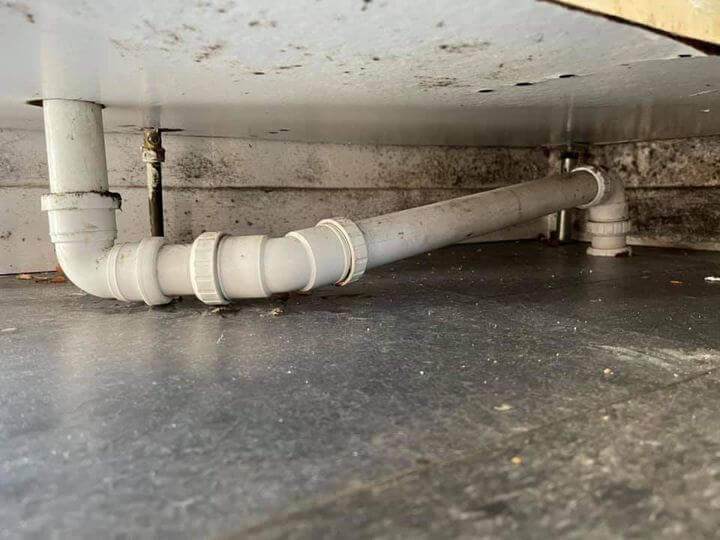
How to Prevent Frozen Pipes in Commercial Buildings?
Insulate Vulnerable Pipework
Insulation is your first line of defence.
Focus on:
- Pipes in roof spaces
- Basements
- External walls
- Service corridors
High-quality pipe insulation reduces heat loss and slows freezing risk. Professional plumbing contractors like JSL Plumbing can assess vulnerable zones and recommend suitable insulation materials.
Maintain Consistent Indoor Temperatures
Commercial properties should never be allowed to drop below safe minimum temperatures, even when vacant.
Best practice:
- Keep the heating set to at least 10–12°C in winter
- Use programmable thermostats
- Monitor temperature remotely where possible
Warehouses and large units should pay particular attention to perimeter walls and corners.
Protect External and Roof-Level Pipework
Roof-level systems are often overlooked.
Protect:
- External taps
- Overflow pipes
- Condensate pipes
- Roof drainage systems
Lagging and protective covers help prevent freezing at high elevations where wind chill intensifies the risk.
Implement a Winter Plumbing Maintenance Plan
Preventive maintenance reduces winter emergencies.
A commercial plumbing inspection before winter should include:
- Checking insulation integrity
- Identifying exposed pipework
- Inspecting valves and joints
- Testing water pressure
- Verifying drainage performance
Partnering with a commercial plumbing specialist ensures systems are winter-ready.
Drain Down Systems in Vacant Buildings
If your commercial property will be vacant over holidays or extended periods:
- Drain water systems where possible
- Shut off the main water supply
- Open taps to relieve pressure
- Ensure heating systems are protected
Vacant offices and retail units are especially vulnerable during festive shutdowns.
Install Pipe Heating Cables
For high-risk areas, electric heat trace systems can be installed along pipes. These:
- Automatically activate in cold temperatures
- Prevent freezing in exposed areas
- Provide reliable protection in extreme conditions
This is particularly useful for industrial units and large facilities.
Seal Draughts and Gaps
Cold air infiltration increases freezing risk. Seal:
- Gaps around service entry points
- Cracks in walls
- Poorly insulated roof voids
Even small draughts can significantly lower pipe temperatures.
Signs Your Pipes May Be Freezing
Early detection is critical. Watch for:
- Reduced water flow
- Frost on exposed pipes
- Unusual noises in plumbing
- Strange odours from drains
- Cold spots in specific building zones
If detected early, professional intervention can prevent bursting.
What to do if Pipes Freeze?
If you suspect a frozen pipe:
- Turn off the main water supply immediately
- Do not use open flames to thaw pipes
- Apply gentle heat (if safe to do so)
Call a professional commercial plumber
If a pipe bursts:
- Shut off the water supply
- Switch off the electricity if flooding is present
- Contact emergency plumbing services immediately
Fast response reduces structural damage.

Final Thoughts: Prevention Is Always Cheaper Than Repair
Frozen pipes are preventable. But prevention requires planning.
For commercial properties, the risk is too high to ignore. A burst pipe can shut down operations overnight and cause long-term structural damage.
By taking proactive steps and partnering with trusted commercial plumbing professionals, you can safeguard your building, tenants, and business continuity throughout winter.
Need Help Protecting Your Commercial Property This Winter?
Don’t wait for freezing temperatures to expose weaknesses in your plumbing system. Contact JSL Plumbing today to schedule a commercial winter plumbing inspection and protect your business from costly frozen pipe damage.